
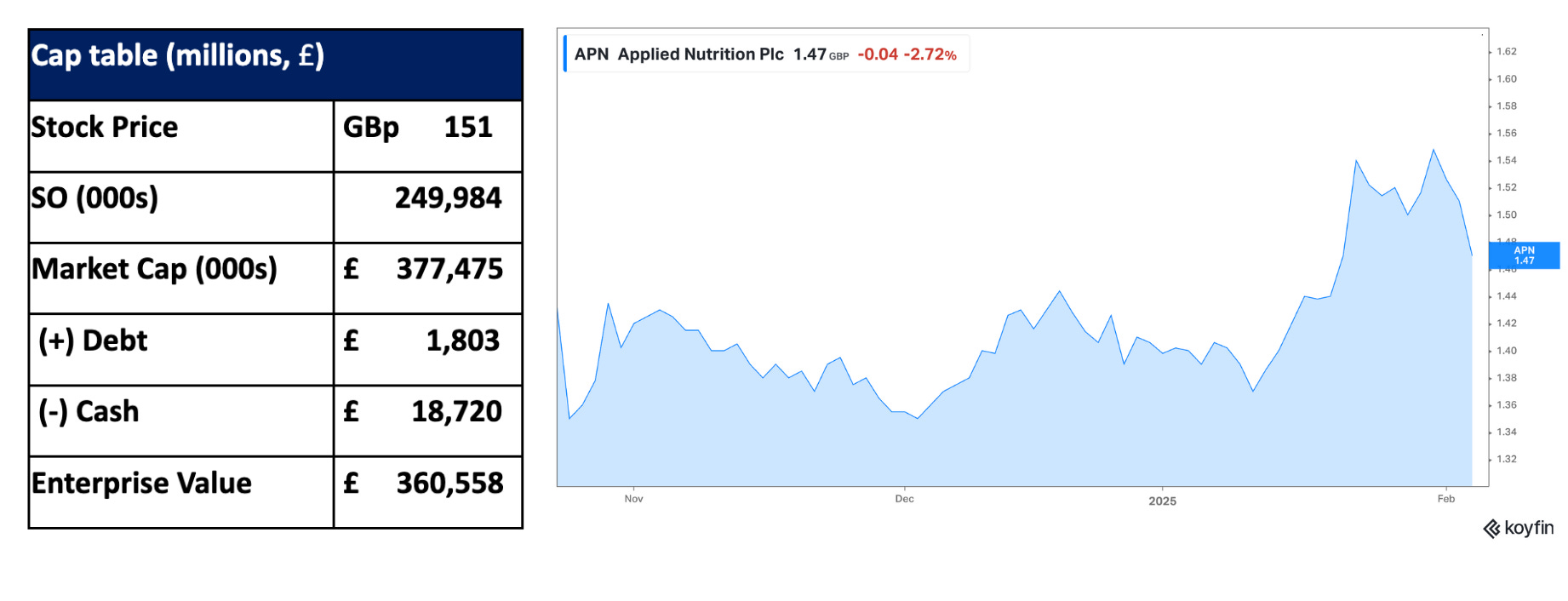
This UK small cap produces fitness, health and nutritional products. The company listed on the London Stock Exchange last October via IPO which valued the firm at approximately £350M. Revenue has tripled in the last three years while the company reports healthy margins and strong cash flow generation. We think the company's position in the expanding health and wellness market, combined with its strong operational execution, makes for a compelling investment case. Currently, the stock appears to be flying under the radar of many investors, suggesting potential for share price appreciation as market awareness grows. Let's dig in…
Business Overview

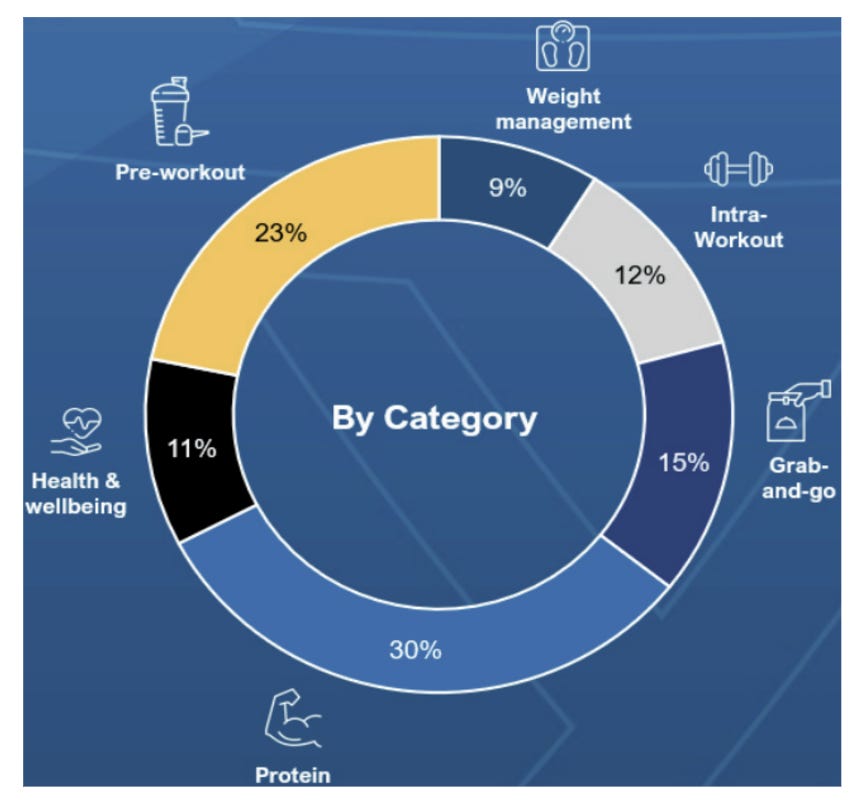
Applied Nutrition Plc (LSE: APN) product categories include protein, pre-workout, grab-and-go products (ABE cans, hydration products etc.), health and wellness products (vitamins, collagens etc.), weight management (critical mass, weight loss products) and intra-workout products.
The company was founded in 2014 by Tom Ryder and their first product was the critical mass gainer, which is still popular. They have 4 different product ranges –
All Black Everything for experienced gym goers, launched in 2016 (grown to 30 different products).
Endurance, targeted especially towards endurance athletes, launched in 2022.
Body Fuel, cheap entry level products, launched in 2023.
APN core range (whey protein, protein bars, cookies, collagen, green powder etc.).
APN sells products in 80+ countries and has 200+ employees. They are the only non-US sports nutrition brand sold in Walmart, which launched in 2022. They launched in the US with the All Black Everything (ABE) range. They sell in 15 Middle Eastern countries as well, in partnership with Dr Nutrition brand (entering the market in 2017).
Long Thesis
Applied Nutrition has a number of things which can help them to be successful; a growing market, established brand, B2B model (cost effective and provides understanding of the local market), in-house production with a NPD team (New Product Development) that can react to market demands/trends, good financial performance (all four brands growing and margins holding up alongside revenue growth).
An important part of their success is their in-house NPD team combined with their in-house manufacturing. This helps them to bring products quickly into the market based on developing consumer trends. One such example was their Body Fuel range (developed in 2022 and released in 2023), which sold 10 million bottles in 18 months. The company’s mission is to be the most trusted and innovative sports nutrition brand. Trust is a key differentiator, here, because it gives large distributors who partner with APN peace of mind.
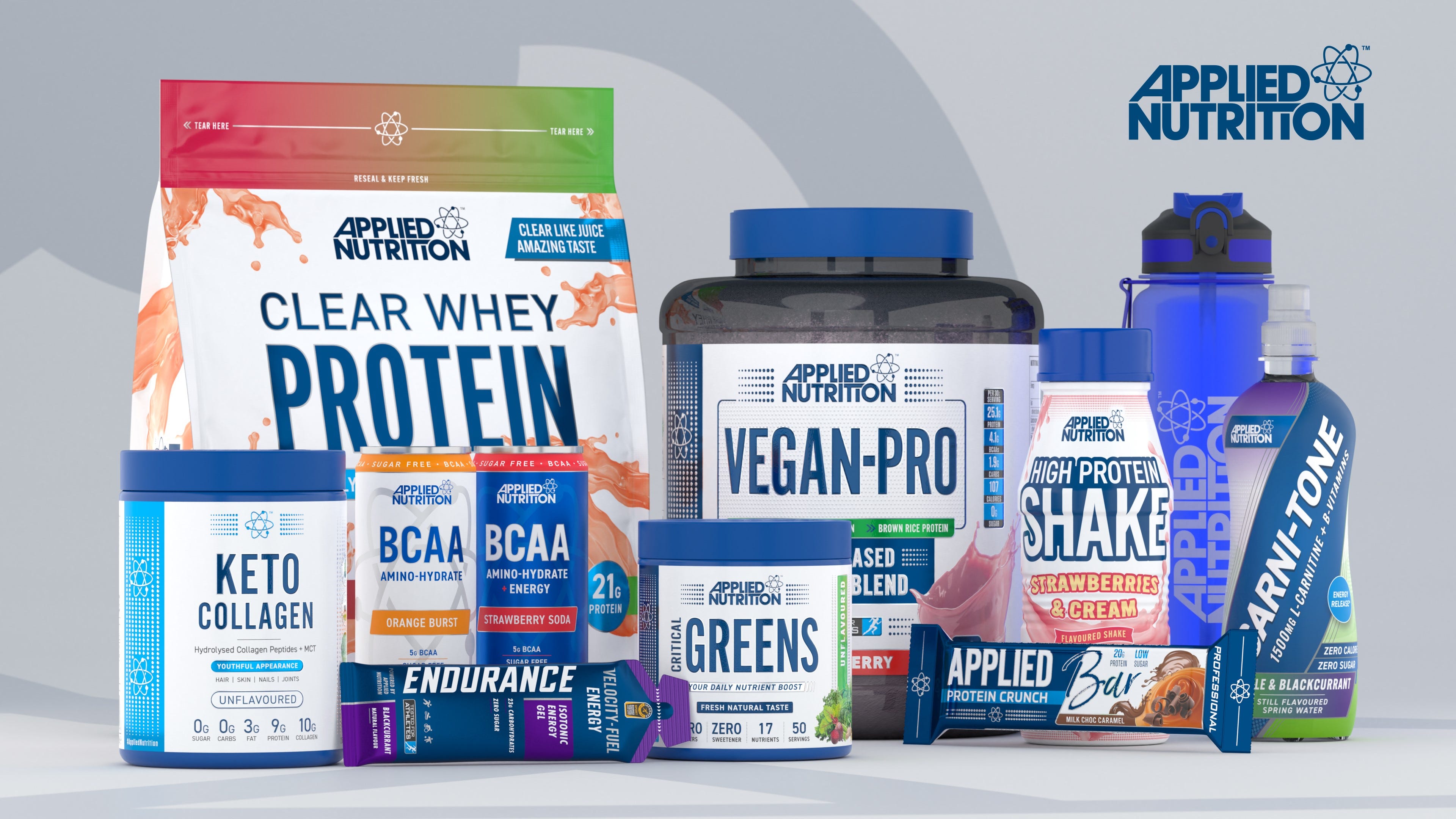
Moving forward, APN are looking to release new products like complete protein – contains zinc, magnesium, probiotics etc. for the older population, protein sparkling water (as a health drink), protein mushroom powder (demand for mushroom supplements), diet protein bars and liquid creatine. All of these products are based on what they feel would be successful and have a place in the market. New product lines can bolster revenues as can continued expansion overseas, particularly in the US. They currently sell through Walmart and Costco in the US but their brand All Black Everything is the only Applied Nutrition product being sold in North America. Getting US distributors to stock more of APN’s brands provides one path to increased growth.
Crucially, APN is operating in a growth market and there are surprisingly few good businesses operating in the industry. For example, THG and MyProtein both have negative margins and are trying to dial back on growth (they will probably have negative growth) to get margins back on track. Meanwhile, it’s not just small funds and owners interested in APN stock. Abrdn and JP Morgan hold >3% of the company.
Whey prices and marine freight prices affect the group’s gross costs the most, alongside manufacturing/warehousing staff costs. But the company’s financials show consistently strong margins and sustained free cash flow generation. This is a reasonably capital-light business with high return on capital. Net income margins are consistently above 20% and adjusted EBITDA margins are guided to 32% with 70% free cash flow conversion.
Industry Outlook (source: Euromonitor)
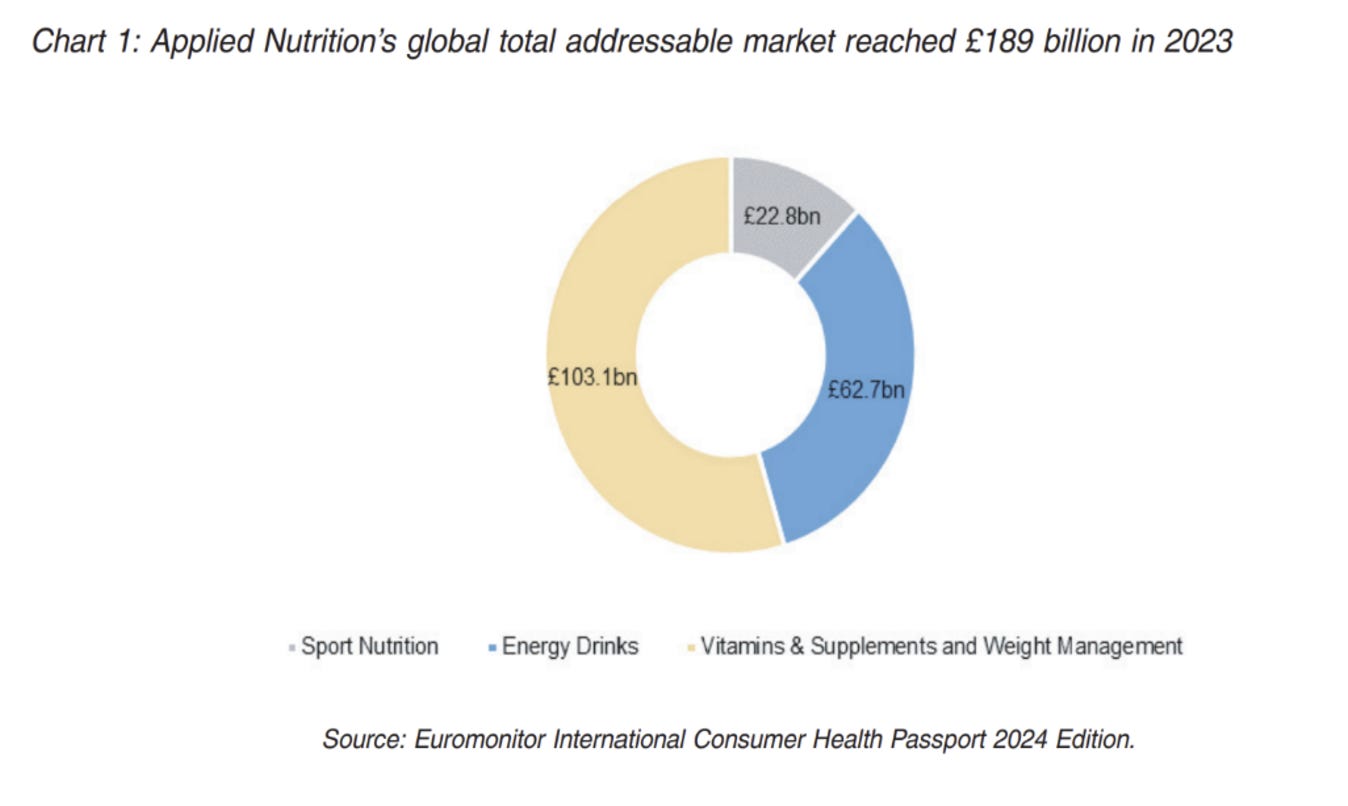
The Global TAM of the sports nutrition, health and wellness market in FY23 was £189B according to market research firm Euromonitor. The market grew 8% between 2019-23 and is expected to grow at 8.1% between FY23-28.
Growth of different segments: Sports nutrition – CAGR of 9.9% between 2019-2023; Vitamins and dietary supplements - CAGR of 6.4%; Weight management - CAGR of 5.5%, and Energy drinks - CAGR of 10.2%.
Consumer focus on improving general health is the most important reason for the growth of these products. The number of consumers taking protein for general health improvement doubled from 2021 to 2024. This high growth is due to consumers making these products a part of their diet, instead of looking at them as additions to their diet. The brands in this space are growing by offering new health products to existing customers and also by entering new geographies/markets.
The majority of company offerings fall into tbe sports nutrition category, which has grown from £16B in 2019 to £23B in 2023 and is expected to reach £35B by 2028. Sports nutrition has 4 main sub categories - protein powder, nonprotein products, protein/energy bars and protein ready-to-drink (RTD). Protein powder and nonprotein products are expected by Euromonitor to be the fastest growing.
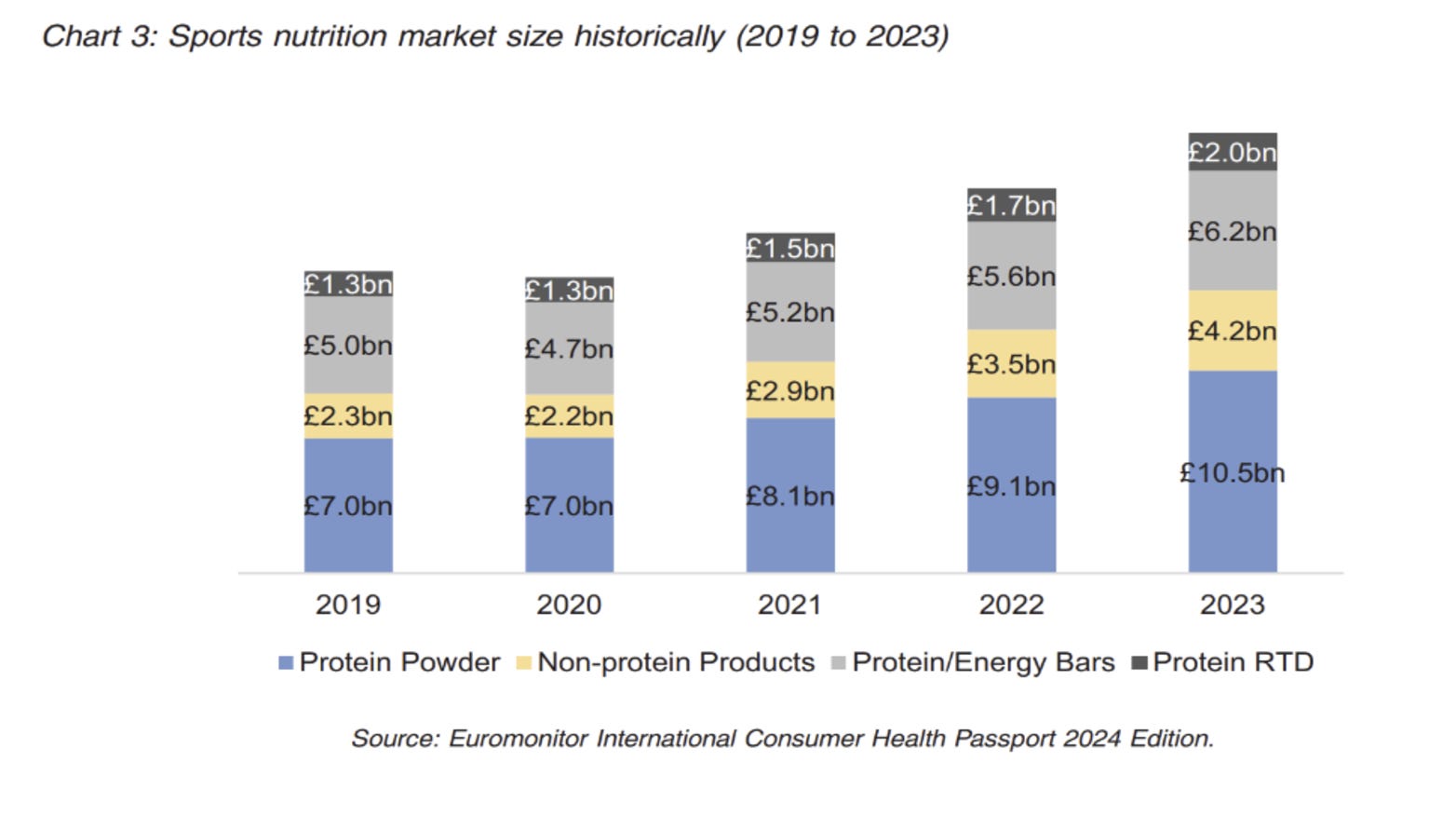
In the UK, the sports nutrition, health and wellness market grew at 9.8% between 2019 and 2023, reaching £5B, while the sports nutrition market grew at 8.2% CAGR during the same period reaching £1B. The market is expected to grow at 12.6% CAGR between 2023-2028.
63% of global consumption in sports nutrition in 2023 came from the retail channel; grocery retail 37%, specialty retail 17% and other retailers 9%. E-commerce channel is also growing.
Growth across regions:
In the UK 69.6% of total retail sales of sports nutrition, health and wellness products comes from E-commerce. There is a move towards healthier products in the UK and Applied Nutrition (and other companies) are releasing different product sizes to attract new customers (especially offline customers by taking shelf space within grocers).
Western European (excluding UK) market is estimated to be at £31B, growing at 9.8% CAGR between 2019-2023, making it the 3rd largest market after North America and Asia Pacific. The market is expected to grow at more than 10% for the next 5 years and 66% of total sales comes from e-commerce platforms.
North America is the largest and most mature market with a TAM of £65B (34% of the total market). The sports nutrition market was £14B in 2023, it is the fastest growing segment and is expected to reach £20B in 2028. Offline retail makes up 67% of the total sales (Costco, Walmart etc.). Online retail is growing but makes up a lower percentage of sales than the rest of the world.
Middle East market TAM is £4B and is expected to reach £8B by 2028, with the highest CAGR growth of 13.5%.
Trends
The low-cost gym sector as a whole increased by about 30% between 2019-2024, while the total number of new gyms, including mid-market and higher-end operators, increased by 15%. This will help to push demand up further.
GLP-1 drugs sales are another factor that will push the sales of products used in muscle building. “We’re seeing a greater demand for space for strength” Colleen Keating, CEO of Planet Fitness (one of the largest listed gym groups) told analysts in August 2024. Studies suggest GLP-1 drugs cause significant muscle loss alongside weight loss, causing saggy skin. People taking these drugs will need to compensate for muscle loss.
However, it’s important to mention that the nutrition industry is very competitive with brands of all sizes and low barriers of entry.